
Helping Kids Thrive in Multigenerational Homes and Shared Living

A home with grandparents, relatives, roommates, or another household under one roof can feel full of noise, stories, routines, and opinions. For children, that mix can be a gift when adults help them understand where they fit.
Shared living works best for kids when it feels clear, safe, and meaningful. They need to know who lives in the home, why everyone is there, what each person contributes, and how they can be part of daily life in a way that matches their age.
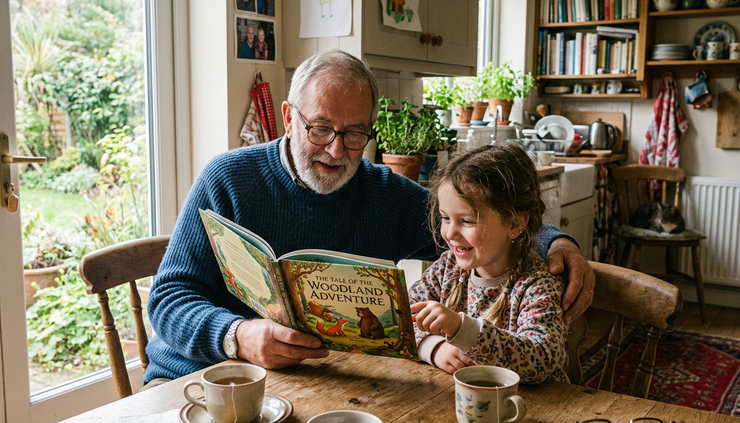
Why shared homes can be good for children
Children often benefit from having more trusted adults nearby. In a multigenerational living arrangement, a child might hear stories from a grandparent, learn a recipe from an aunt, or get homework help from an older cousin. These small moments build connection over time.
Shared homes can also teach skills that are hard to learn from lectures. Children see people taking turns, solving problems, caring for one another, and adjusting to different needs. They learn that a household is not just a place where people sleep. It is a place where people contribute.
Some common benefits include:
A stronger sense of belonging
Kids often feel grounded when they know they are part of a wider circle of care.
More chances to learn from others
Different generations bring different songs, stories, skills, and ways of thinking.
Practice with empathy
A child may learn why someone needs quiet in the afternoon, help carrying groceries, or extra patience.
More daily connection
Shared meals, chores, and casual conversations can reduce loneliness for both children and adults.
The goal is not to make every day perfect. The goal is to help children see the home as a shared project.
How to explain shared living to kids
Children do better with simple, honest explanations. They do not need adult-level details about money, health, housing costs, or caregiving. They do need a clear story that makes sense.
Try language like:
“Everyone in this house has a place here. We share space, help each other, and respect each person’s needs.”
For younger children, use concrete examples. A preschooler may understand, “Grandma lives here too, so we make room for her chair at dinner and use quiet voices when she rests.”
Older kids may want more detail. They might ask why privacy is changing or why they need to share a room. Give them space to ask questions without making them feel guilty for having feelings.
A helpful explanation can include three parts:
Who lives here
Name each person and their role in the home.
How the home works
Explain shared areas, quiet times, chores, and routines.
How the child belongs
Give them a real role, such as setting the table, choosing a weekend activity, or helping a younger child.
Keep the tone positive, but do not pretend there will never be friction. Kids respect honesty when it is paired with reassurance.

Activities that bring generations together
The best intergenerational activities are simple enough to repeat. They do not need to be expensive, planned weeks ahead, or picture-perfect.
A few ideas that work well:
Story swaps
One person tells a childhood story, then the child shares something from their week. Prompts help, such as “What games did you play at recess?” or “What was your favorite meal when you were little?”
Recipe nights
Let an older adult teach a favorite dish while a child measures, stirs, or writes the recipe on a card. If the meal has cultural meaning, invite that story too.
Shared playlists
Each person picks one song. Children learn that music has memories attached to it, and older adults get to hear what kids enjoy now.
Skill trades
A grandparent may teach sewing, gardening, or woodworking basics. A child may teach a card game, a dance, or how to use a device safely.
Household projects
Plant herbs, organize board games, make a birthday calendar, or build a small “helping station” with pet supplies, reusable bags, or lunchbox items.
A real-life example: A 9-year-old who resisted sharing after-school space with a grandparent began looking forward to “Tuesday tea.” They made toast, played one round of checkers, and talked about one good thing from the day. The routine took 20 minutes, but it changed the relationship. The child stopped seeing the grandparent as someone taking up space and started seeing them as someone waiting to connect.
How to build belonging in a shared home
Belonging grows when children have both voice and structure. Too many rules can make a shared home feel tense. Too few can make it feel confusing.
Start with a few household agreements everyone can understand:
Shared spaces
Personal space
Quiet times
Helping roles
Everyone helps keep kitchens, bathrooms, and living rooms usable.
Bedrooms, bags, drawers, and special items need permission before use.
The home has times when noise stays low so people can rest, work, or study.
Each person contributes in a way that fits their age and ability.
Children should have some choices inside the structure. For example, they may not choose whether to help after dinner, but they can choose whether to wipe the table or put away napkins.
It also helps to create small rituals. Sunday pancakes, Friday movie night, evening walks, or a monthly birthday dinner give the household shared memories. These rituals say, “This is what we do here.”

What to do when kids struggle with the arrangement
Even in a loving home, children may miss how things used to be. They may feel crowded, embarrassed, jealous, or frustrated by new expectations. Those feelings do not mean shared living is failing.
When a child struggles, try these steps:
Name the feeling
“It sounds like you miss having the playroom to yourself.”
Protect some privacy
Even a small shelf, bin, curtain, or reading corner can help a child feel ownership.
Avoid making kids responsible for adult emotions
Helping is healthy. Feeling in charge of keeping everyone happy is too much.
Hold regular check-ins
Ask, “What is working well at home right now?” and “What feels hard?”
Celebrate contribution
Notice specific actions. “You helped Uncle Ray find his glasses. That was kind.”
One family created a “home council” every other Sunday. Each person, including the youngest child, could share one request and one appreciation. The child’s first request was simple: “Please knock before coming in.” The adults listened, and the child became more willing to respect others’ needs too.
Keep the home centered on connection
Shared living gives children a daily lesson in community. They learn that people can have different habits, ages, needs, and stories, yet still care for one another under the same roof.
The most successful homes do not ask children to simply adjust and stay quiet. They invite kids to participate. They explain the arrangement, create routines, protect personal space, and make room for joy.

A child who feels included is more likely to help, listen, and form lasting bonds. Start small: one shared meal, one story, one household role, one ritual that belongs to everyone. Over time, those small habits can turn a busy shared house into a place where children truly thrive.
If you are thinking of transitioning to a shared living or multigenerational living home, The Shared Living Workbook is an invaluable tool to help you get started and ensure success. Get it now!


Comments