Smart Technology
When multiple generations or families share a home, daily life can become wonderfully connected—but it can also become more complex. Coordinating schedules, managing shared spaces, ensuring safety, and maintaining privacy requires communication and organization.
Fortunately, today's smart home technology can help simplify many of these challenges.
Smart devices are no longer just conveniences for tech enthusiasts. For multi-family and multi-generational households, they can improve communication, enhance security, reduce household conflicts, and help everyone work together more effectively.
In a traditional household, communication is often straightforward because fewer people are involved. In a shared living arrangement, however, there may be grandparents, parents, children, and even another family all sharing the same space.
The more people living under one roof, the more opportunities there are for misunderstandings, scheduling conflicts, and household management challenges.
Smart technology can help bridge those gaps by providing tools that improve communication, coordination, and convenience.
One common challenge in shared households is simply knowing who is coming and going.
A smart video doorbell allows household members to see visitors, deliveries, and activity at the front door from their phones.
This can be especially helpful for:
-
Families receiving frequent package deliveries
-
Households with elderly residents
-
Parents monitoring children's arrivals and departures
-
Multiple adults coordinating visitors
Instead of wondering who answered the door, everyone can stay informed.
In multi-family homes, there may be several adults who need access to the house.
Traditional keys can be lost, copied, or forgotten. Smart locks allow homeowners to create individual access codes for different family members while eliminating the need for multiple spare keys.
Benefits include:
-
Easier access for trusted family members
-
Temporary codes for guests
-
Better security monitoring
-
Reduced risk of lockouts
Devices such as smart speakers can act as a central communication hub for the household.
Families can:
-
Set reminders
-
Create shopping lists
-
Manage calendars
-
Set alarms
-
Coordinate schedules
-
Control smart home devices
In a busy shared household, having a centralized system for reminders and information can help everyone stay organized.
If you've ever lived in a multi-generational home, you've probably witnessed a thermostat debate.
One person is cold. Another is hot. Someone else is concerned about the utility bill.
Smart thermostats can help manage energy usage more efficiently while maintaining comfortable temperatures throughout the home. Some systems even allow schedules to be adjusted automatically based on household routines.
For families caring for aging parents or monitoring children, indoor cameras can offer an additional layer of reassurance. These devices allow caregivers to check in remotely while respecting household routines and providing added security. When used thoughtfully and with everyone's agreement, they can help families feel more connected and supported.
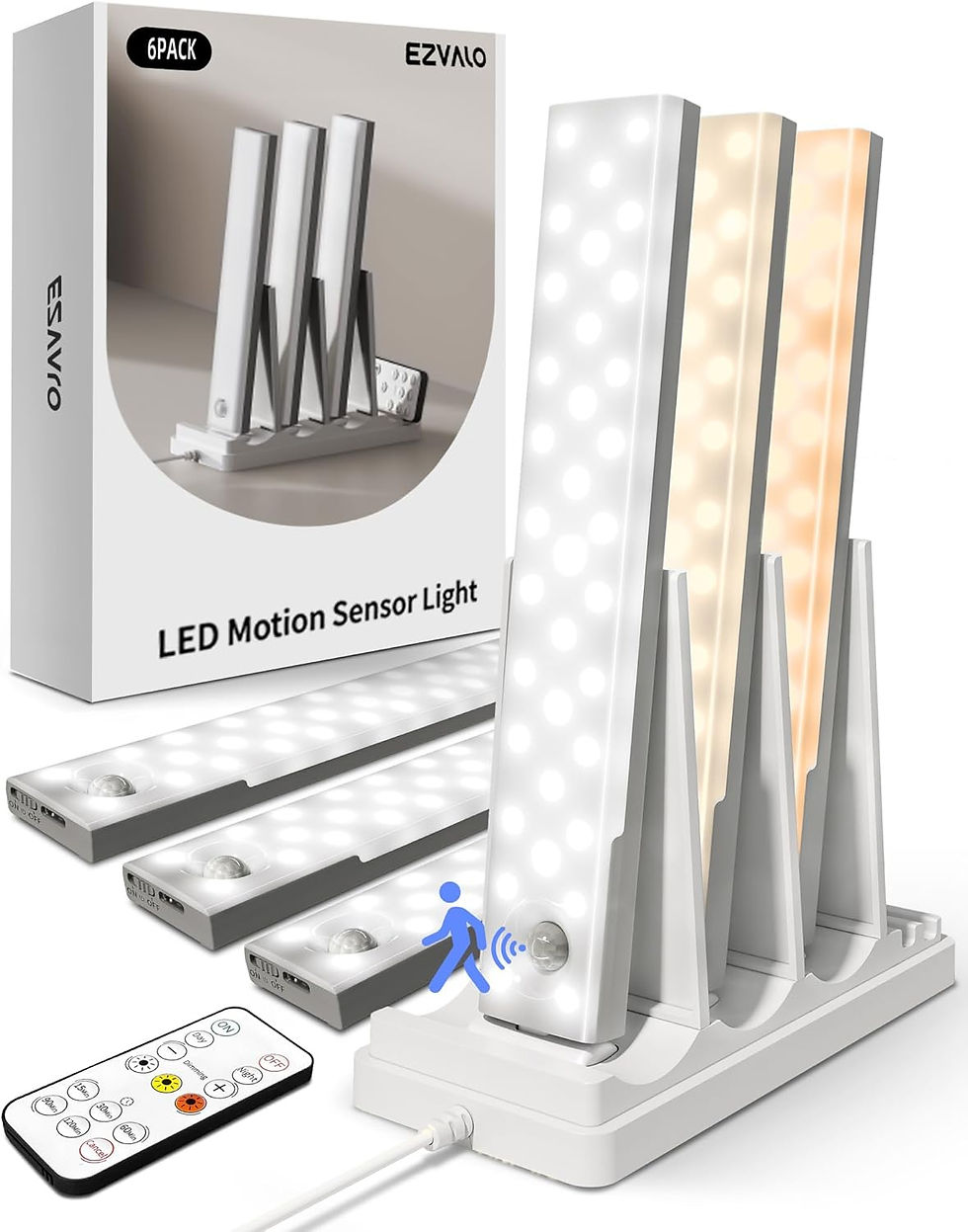
Smart lighting can be particularly useful in multi-generational homes.
Benefits include:
-
Motion-activated lighting for nighttime safety
-
Automated schedules
-
Voice-controlled operation
-
Improved accessibility for older adults
-
Energy savings
Simple changes such as automatically lighting hallways at night can make shared homes safer and more convenient.
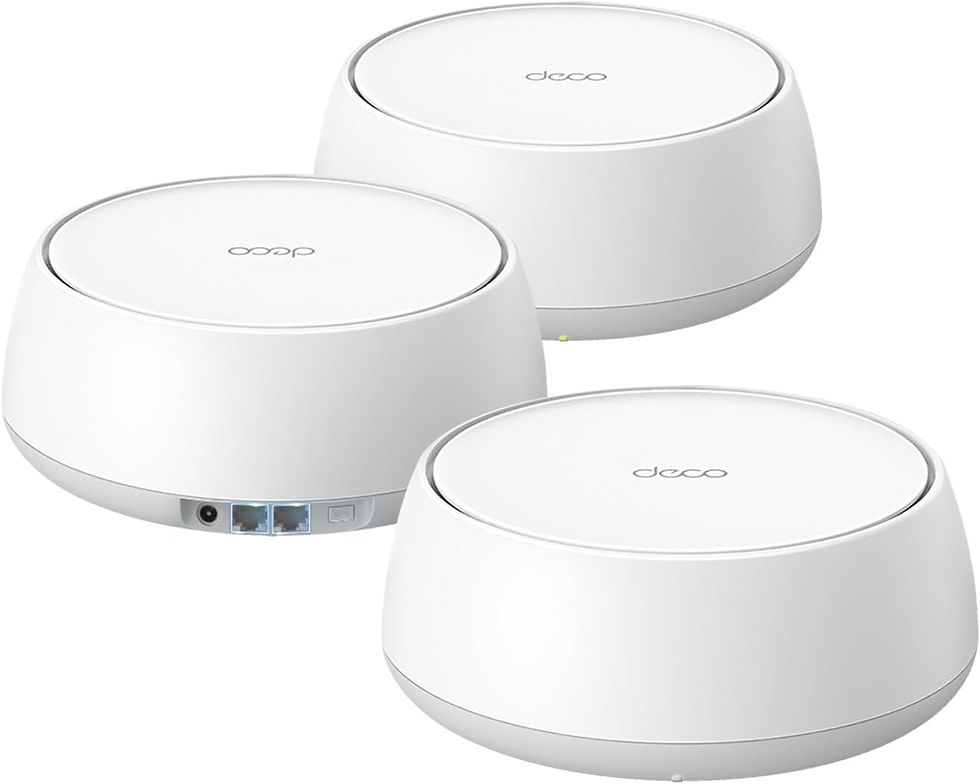
In today's connected world, every member of the household likely depends on internet access.
-
Children stream educational content.
-
Adults work remotely.
-
Grandparents video chat with family.
-
Entertainment devices connect throughout the home.
A strong mesh Wi-Fi system helps ensure reliable internet coverage throughout the entire house, reducing frustration and improving connectivity for everyone.
Many families are surprised to discover that the greatest benefit of smart technology isn't the technology itself—it's the reduction in stress. When systems help coordinate schedules, improve communication, automate tasks, and increase security, families spend less time managing problems and more time enjoying life together. Smart home devices won't solve every challenge of shared living, but they can make daily life more organized, efficient, and enjoyable.
Technology is most valuable when it supports people. The goal isn't to fill your home with gadgets. The goal is to create systems that help family members communicate, cooperate, and feel secure. When combined with clear expectations, good communication, and thoughtful planning, smart technology can help transform a busy shared household into a more organized and connected home. Because the best smart home isn't the one with the most devices—it's the one that helps families live better together.
This post contains affliate links. I may earn a small commission if you make a purchase. Please see our Privacy Policy.